Tree Care Mistakes That Could Invalidate Home Insurance
For homeowners across Brisbane's northern suburbs, from Chermside, Aspley and Strathpine to Bray Park, Kallangur and Redcliffe, trees are part of what makes a property appealing. They provide shade, privacy and value. They can also become a serious liability when storms hit. Brisbane's severe thunderstorm season, which typically runs from October to March, regularly brings damaging winds, hail and heavy rain. When a tree falls on a house, fence or car, many owners assume their insurance will simply cover it. That is not always the case.
Insurers assess claims against the policy's terms, and some tree-related decisions can give them grounds to reduce or deny a payout. This article outlines the most common tree care mistakes that can put your cover at risk, and how to protect your home and your claim. Policies differ between insurers, so always read your Product Disclosure Statement (PDS) and speak with your insurer or broker about your specific cover.
How Insurers Typically Treat Tree Damage
Most standard home and contents policies in Australia cover damage caused by storm, wind, rain and hail, including damage from a falling tree or branch. However, cover is rarely unconditional. Insurers commonly distinguish between damage caused by a sudden insured event and damage that results from neglect, poor maintenance or a pre-existing problem.
If an insurer can show that a tree was dead, diseased, structurally unsound or https://gregoryltdm561.lakeviewbrief.com/posts/a-seasonal-tree-care-calendar-for-brisbane-homes-in-2026 obviously hazardous before it failed, they may argue the loss was foreseeable and preventable. Similarly, if you took action that weakened the tree or breached a legal requirement, your claim could be affected. In other words, the cause of the failure matters as much as the storm itself.
Common Tree Care Mistakes That Can Put Your Claim at Risk
1. Ignoring Obvious Signs of a Dying or Dangerous Tree
Failing to act on visible warning signs is one of the most frequent reasons claims run into difficulty. Insurers may view a tree that has been visibly dead or decaying for months or years as a known hazard. Warning signs include:
- Large dead branches or a canopy that is thinning or bare out of season
- Fungal growth (mushrooms or brackets) at the base or on the trunk
- Cracks, splits or hollow sections in the trunk
- Leaning that has developed or worsened recently
- Exposed, lifted or damaged roots, or soil heaving around the base
- Oozing sap, borer holes or heavy termite activity
If a tree with these symptoms later fails, an insurer may question why no action was taken. Having a written assessment from a qualified arborist showing the tree was healthy, or that you acted on recommendations, is strong evidence in your favour.
2. Removing or Pruning Trees Without Council Approval
Brisbane City Council protects many trees under its Local Law and Natural Assets Local Law. Depending on the species, size and location, you may need approval before removing or significantly pruning a tree. Protected categories can include significant trees, certain native species and trees in specific overlay areas. Rules and mapped overlays can change, so check the current requirements on Council's website or contact Council directly before any work begins.
Carrying out unauthorised work can result in substantial fines. It may also create complications with insurance if the work contributed to a loss, for example if illegal or poorly executed pruning left a tree unstable. Many policies exclude or limit cover for damage connected to unlawful activity or work that breaches regulations.
3. Hiring Unqualified or Uninsured Tree Workers
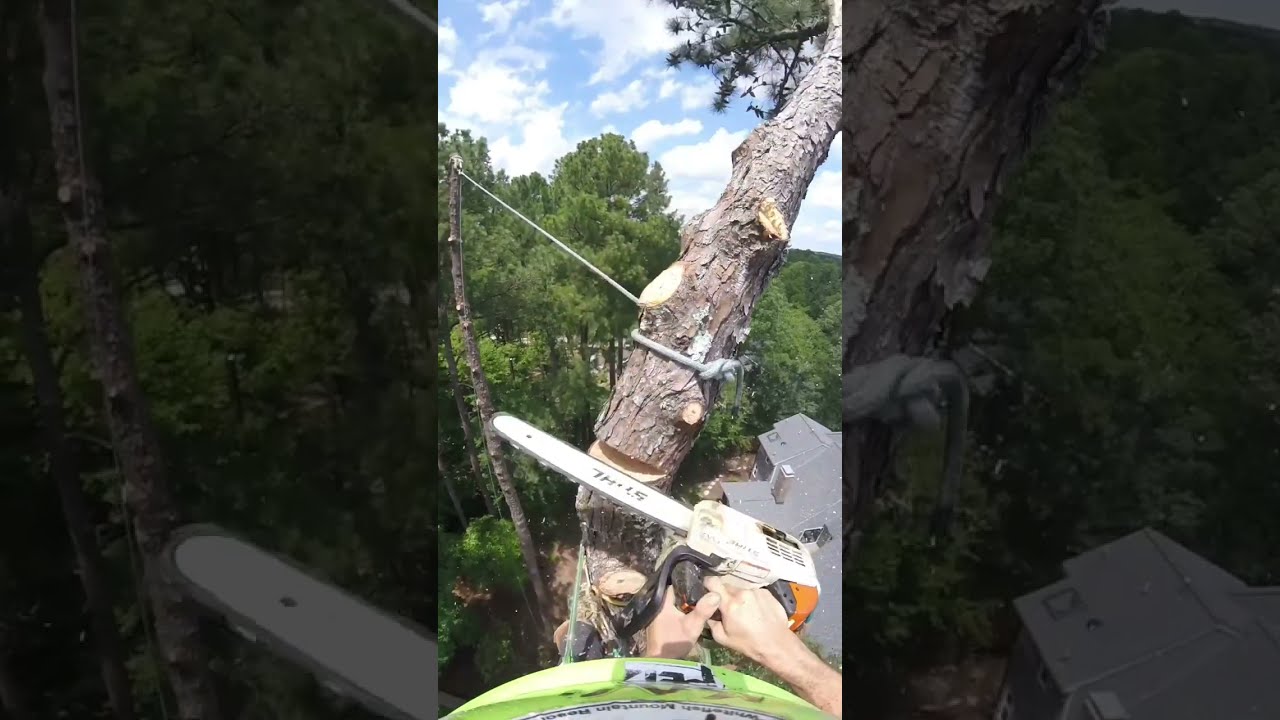
Cheap, cash-only operators are a risk. Poor pruning techniques such as topping, flush cuts or removing too much canopy can weaken a tree and make it more prone to failure. If an unlicensed worker is injured on your property, or damages your home or a neighbour's during removal, you could face significant personal liability.
Before engaging anyone, confirm that they:
- Hold current public liability insurance (ask for a certificate of currency)
- Carry workers' compensation cover for their staff
- Employ arborists with recognised qualifications, such as Certificate III in Arboriculture or higher
- Follow Australian Standard AS 4373 (Pruning of amenity trees) and work safely under relevant Queensland workplace health and safety requirements
Keep copies of quotes, invoices and certificates. They form part of your paper trail if a claim is ever disputed.
4. Neglecting Regular Maintenance and Inspections
Insurers expect homeowners to take reasonable care of their property. Letting branches overhang the roof, grow into power lines or rest on gutters and walls for years can be considered a failure to maintain. Gutters clogged with leaf litter, for instance, can cause water damage that insurers may classify as gradual deterioration rather than a sudden insured event.
In Brisbane's subtropical climate, trees grow quickly. An annual inspection, and a post-storm check after severe weather, is a sensible schedule for most residential properties. Larger or older trees close to the house warrant closer attention.
5. Planting the Wrong Tree in the Wrong Place
Large, aggressive-rooted species planted too close to a house, driveway, pool or underground pipes can lead to costly damage. Fig species, some eucalypts, African tulip trees and certain palms are common culprits in Brisbane. Damage caused by tree roots, such as cracked slabs, damaged plumbing or subsidence, is commonly excluded from home insurance because it develops gradually.
When planting, consider the mature height and root spread of the species, and seek advice on appropriate distances from buildings and services. If you are buying a property in the northern suburbs, have any large existing trees assessed as part of your due diligence.
6. Failing to Remove Storm-Damaged Trees Promptly
After a storm, a cracked, split or partially uprooted tree may remain standing but dangerously unstable. Leaving it in place and then suffering further damage in a subsequent event can complicate matters. Most policies require you to take reasonable steps to prevent further loss once damage has occurred. Contact your insurer first, document everything and arrange emergency make-safe work where needed. Many policies include a contribution toward emergency tree removal when a tree has caused damage to an insured structure, but limits vary.
7. Overlooking Neighbour and Boundary Issues
Trees on or near boundaries can create disputes. If you know a neighbour's tree is hazardous, notifying them in writing and keeping a record can be important. In Queensland, the Neighbourhood Disputes (Dividing Fences and Trees) Act 2011 allows a neighbour to apply to the Queensland Civil and Administrative Tribunal (QCAT) for orders about trees that cause, or are likely to cause, serious harm. Where a tree owner has been put on notice of a risk and does nothing, they may be held liable for resulting damage, and their insurance position could be affected.
Understanding Policy Exclusions and Limits
Every policy is different, so check the following sections of your PDS carefully:
- Storm and weather definitions: What counts as a covered storm event, and are there wind speed or rainfall conditions?
- Trees and gardens: Some policies cover only damage to buildings and contents, with limited or no cover for the trees or landscaping themselves.
- Tree removal costs: Cover may apply only when a tree has damaged an insured structure, not for removal of a fallen tree that has not hit anything.
- Gradual damage exclusions: Root damage, rot and wear and tear are commonly excluded.
- Excess and sub-limits: Storm and tree-related claims may have separate limits or higher excesses.
- Maintenance and duty of care clauses: Insurers can reduce or refuse a claim if the loss is linked to failure to take reasonable care.
With extreme weather events continuing to influence premiums and underwriting across South East Queensland in 2026, insurers are scrutinising claims more closely. Proactive maintenance records can make a real difference to how smoothly a claim proceeds.
Practical Steps to Protect Your Insurance Cover
- Book a professional tree assessment. Have a qualified arborist inspect large trees near your home, and keep the written report.
- Check Council requirements first. Confirm whether a tree is protected before any removal or heavy pruning.
- Act on recommendations promptly. If an arborist advises pruning, bracing or removal, do it within a reasonable timeframe and keep invoices.
- Use only licensed, insured professionals. Verify insurance certificates and qualifications before work starts.
- Photograph your trees regularly. Dated photos showing healthy condition can support a claim.
- Prepare before storm season. Schedule pruning of deadwood and overhanging limbs before October each year.
- Document storm damage immediately. Take photos, make the area safe and contact your insurer before arranging non-urgent repairs.
- Review your policy annually. Confirm what is covered and update details if you add structures or significantly change your garden.
Why Professional Arborist Advice Matters in Brisbane's Northern Suburbs
The northern suburbs include a mix of established leafy streets, bushland-adjacent properties and newer developments, each with different tree risks. Older homes in areas such as Nundah, Albany Creek and Everton Hills often have mature trees close to structures. Properties near creeks and bushland, such as those around Bridgeman Downs and Eatons Hill, can face additional challenges including soil movement and dense canopy. Local arborists understand the species common to the region, the impact of Brisbane's wet seasons on root stability, and Council's approval processes.

Professional advice is not just about the tree. It creates a documented record that you have taken reasonable care, which can be invaluable if you ever need to lodge a claim.
Take Action Before the Next Storm
Tree-related insurance problems are rarely about a single dramatic mistake. More often they arise from small oversights that accumulate: an ignored dead limb, unapproved pruning, an unqualified contractor or a missed inspection. The good news is that each of these risks is manageable with a little planning.
If you have trees on your property and are unsure of their condition, arrange an inspection with a qualified local arborist before the next storm season. A modest investment in assessment and maintenance can prevent costly damage, protect your family and help keep your insurance cover intact when you need it most.
This article provides general information only and does not constitute insurance, legal or financial advice. Refer to your policy documents and contact your insurer or Brisbane City Council for guidance specific to your situation.
North Brisbane Tree Removal
Shed 3/88 Lever St, Albion QLD 4010
(07) 4800 5089